Boulettes de pommes de terre hongroises (Dödölle)
Dödölle Dites-le : DUH-duh-leh

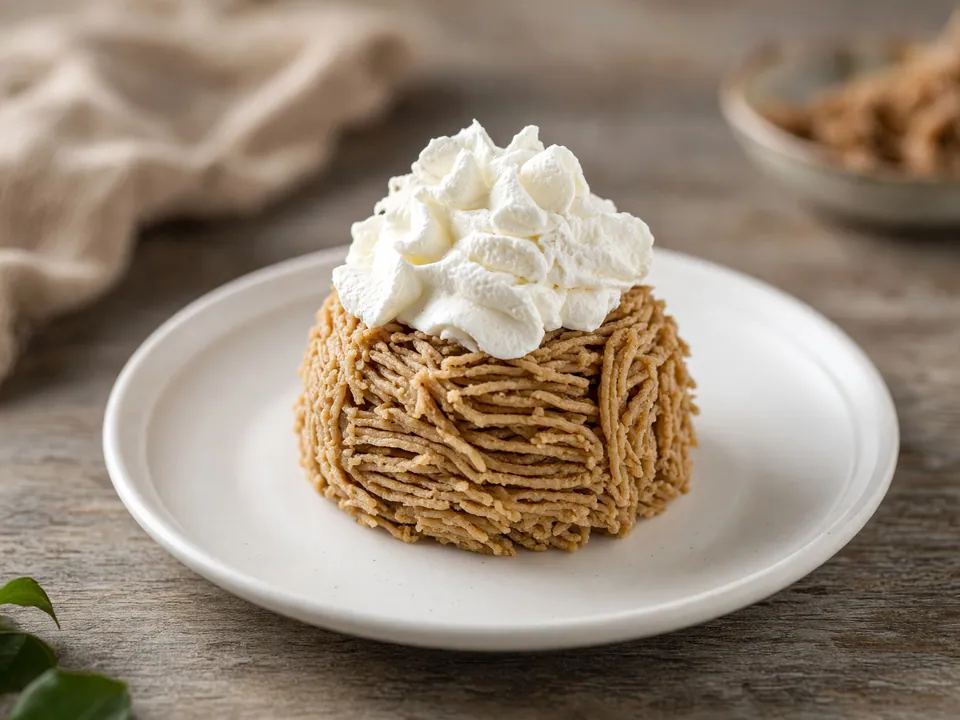
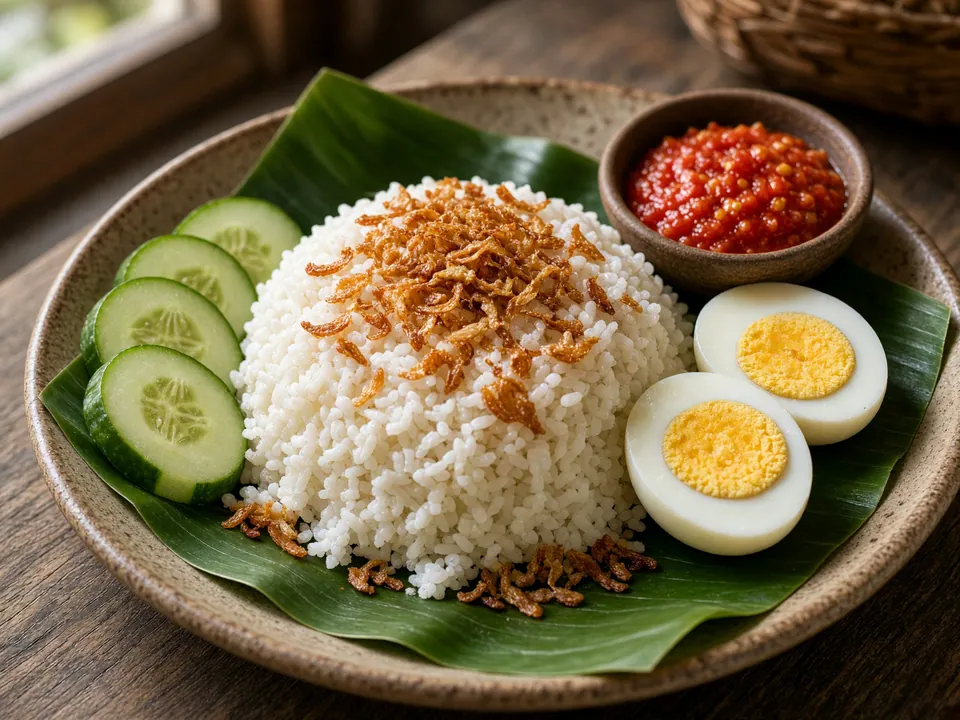
Le Dödölle est un plat hongrois rustique et bien-aimé composé de boulettes de pommes de terre frites avec des oignons et souvent servi avec de la crème sure ou du bacon frit. Originaire de la campagne, particulièrement populaire dans les régions de l'ouest et du nord, c'est un repas simple et réconfortant traditionnellement mangé au déjeuner ou au dîner. Les boulettes ont un intérieur doux et dense avec un extérieur croustillant et doré après la friture à la poêle. Ce qui le rend spécial, ce sont ses ingrédients modestes transformés en quelque chose de profondément satisfaisant et plein de saveur grâce aux oignons caramélisés lentement et à un assaisonnement généreux.
Boulettes de pommes de terre hongroises (Dödölle)
Dödölle
Se prononce DUH-duh-leh
- Pour
- 4
- Préparation
- 25 min
- Cuisson
- 35 min
- Total
- 1 h
- Niveau
- Facile
Aussi sans noix.
Allergènes : contient gluten, lait, œuf. Vérifiez les étiquettes des ingrédients emballés.
Ingrédients
Les quantités sont ajustées. Les temps de cuisson et les tailles de plats restent les mêmes.
To serve
Méthode
Place the peeled potato chunks in a large pot, cover with cold water, add 1 teaspoon of the salt, and bring to a boil. Cook until the potatoes are very tender, about 15 minutes.
Drain the potatoes thoroughly, return them to the hot pot, and mash them until completely smooth with no lumps. Let the mash cool for 5 minutes.
Add the egg, flour, remaining ½ teaspoon salt, and black pepper to the mashed potatoes. Mix with a wooden spoon or your hands until a soft, slightly sticky dough forms. If the dough is too wet, add 1–2 tablespoons more flour.
On a lightly floured surface, divide the dough into 4 portions. Roll each portion into a long rope about ¾ inch (2 cm) thick, then cut into ¾-inch (2 cm) pieces to form small dumplings.
Bring a large pot of salted water to a boil. Cook the dumplings in batches for 2–3 minutes after they float to the surface, then remove with a slotted spoon and drain well.
While the dumplings cook, heat 2 tablespoons of oil or lard in a large skillet over medium heat. Add the sliced onions and cook slowly, stirring often, until deeply golden brown and caramelized, about 12–15 minutes. Stir in the paprika during the last minute. Transfer onions to a bowl.
In the same skillet, heat the remaining 2 tablespoons of oil over medium-high heat. Add the drained dumplings in a single layer (work in batches if needed) and fry without stirring for 3–4 minutes until the bottoms are golden and crisp. Flip and fry the other side until crispy.
Return the caramelized onions to the skillet with the dumplings and toss gently to combine. Cook together for 1 minute to warm through.
Serve immediately while hot, topped with generous dollops of sour cream and crispy bacon or cracklings if using.
Variantes régionales
In some regions of Hungary, garlic is added to the potato dough or the onions. A modern variation includes mixing in grated cheese or serving with fried mushrooms instead of bacon for a vegetarian version.
Notes du cuisinier
- Use starchy potatoes for the right fluffy-yet-firm dumpling texture; waxy potatoes will make them gummy.
- Caramelizing the onions slowly is key – they should be sweet and golden, not burnt.
- For extra flavor, render the bacon first and fry the dumplings and onions in the bacon fat instead of oil.
Servir avec
Sour cream, fried bacon cracklings, and a simple green salad or pickled vegetables.
Préparation à l'avance et conservation
The boiled dumplings can be made a few hours ahead and refrigerated. Fry them just before serving for the best crisp texture. Leftovers reheat well in a skillet with a little oil.