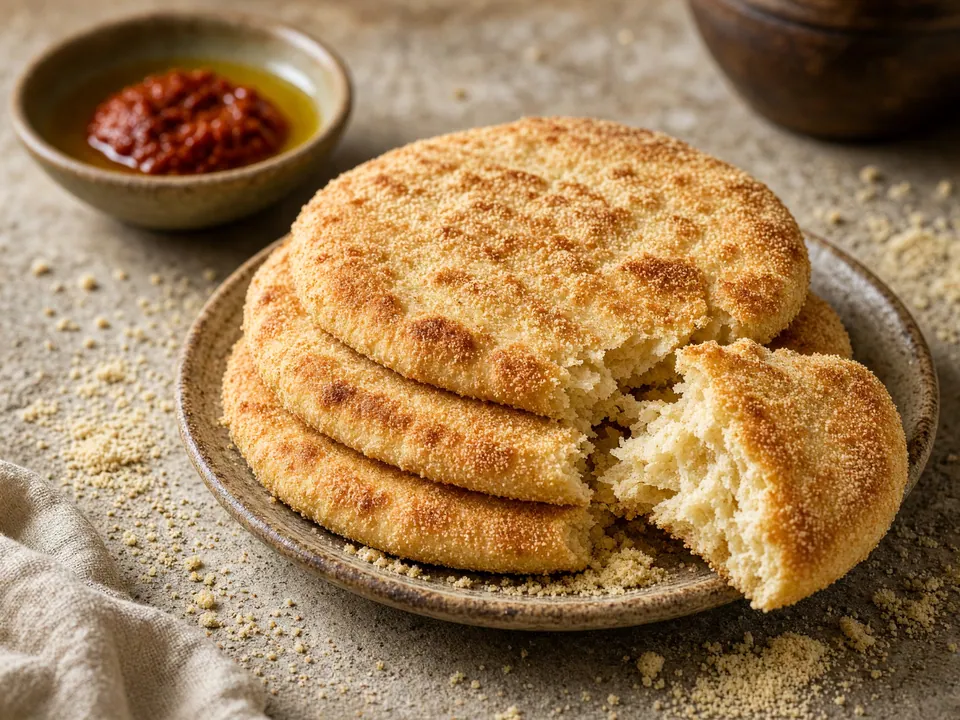
Osetyński placek z ziemniaków i sera (Khabizgina)
ხაბიზგინა khabizginaPowiedz to: kha-beez-GEE-na
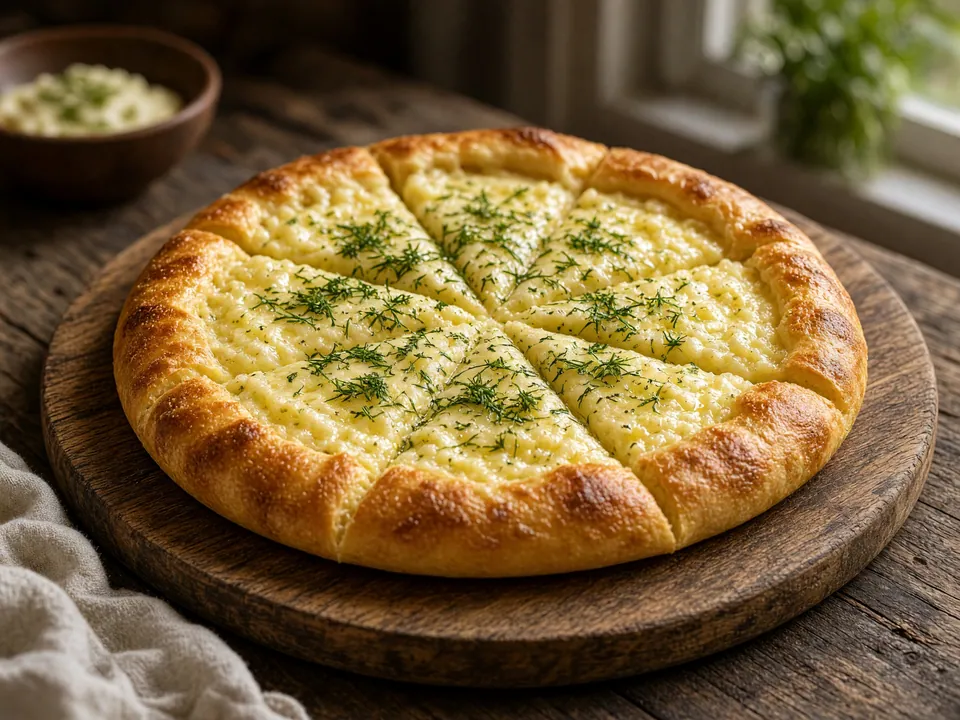
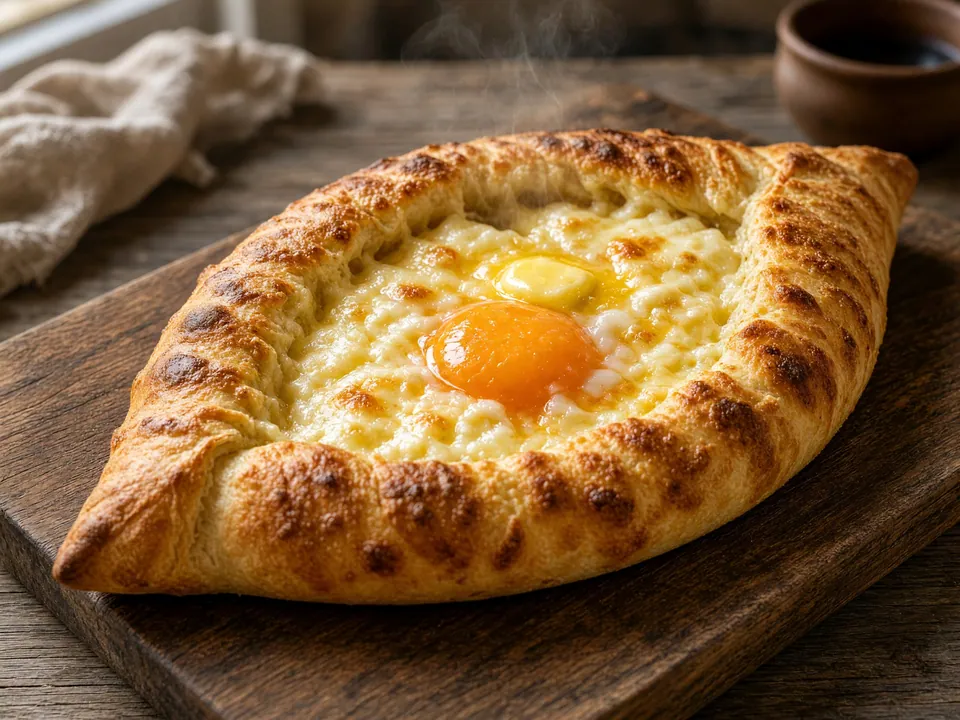
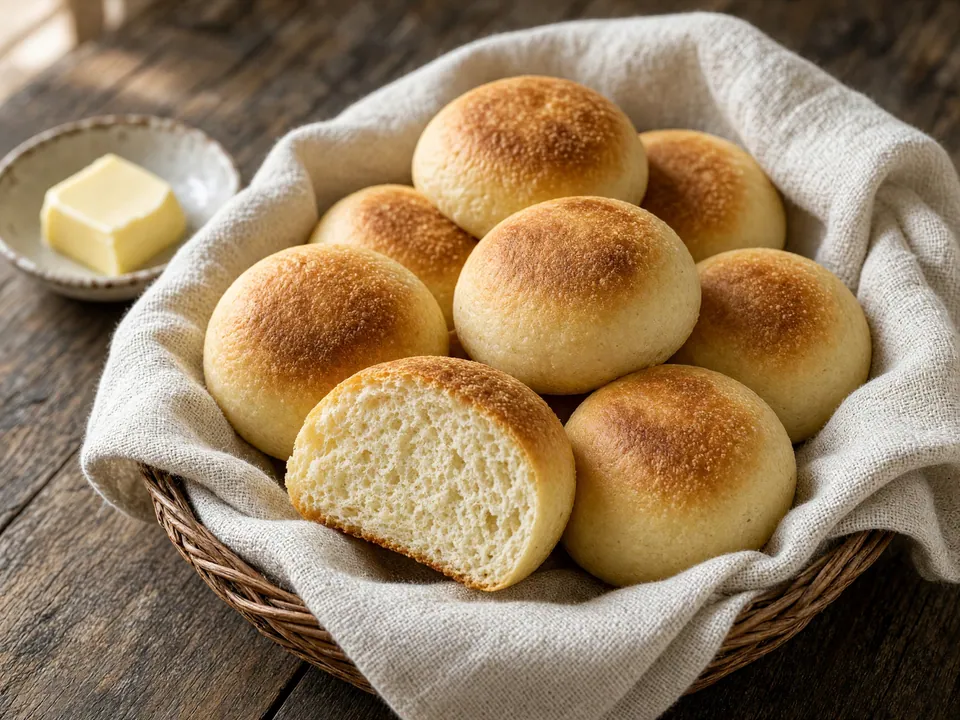
Khabizgina to tradycyjny osetyński placek z regionu Kartli w Gruzji, w zasadzie placek w stylu chaczapuri wypełniony sycącą mieszanką tłuczonych ziemniaków i sera. Jest powszechnie przygotowywany na rodzinne posiłki i świąteczne spotkania, zwłaszcza w górskich obszarach, gdzie od dawna żyją społeczności osetyńskie. Chleb ma miękką, ciągliwą teksturę ze złotą skórką, a nadzienie jest kremowe, subtelnie kwaśne i głęboko komfortowe. To, co czyni go wyjątkowym, to idealna równowaga ziemniaka i sera, które rozpuszczają się w cieście podczas pieczenia, tworząc satysfakcjonujący, rustykalny placek, który jest zarówno prosty, jak i pożywny.
Osetyński placek z ziemniaków i sera (Khabizgina)
ხაბიზგინა, khabizgina
Wymowa: kha-beez-GEE-na
- Porcje
- 4
- Przygotowanie
- 45 min
- Gotowanie
- 25 min
- Razem
- 1 godz. 10 min
- Poziom
- Średni
Także bezorzechowe i bezjajeczne.
Alergeny: zawiera gluten, mleko. Sprawdź etykiety na opakowaniach składników.
Składniki
Ilości zostały przeskalowane. Czasy gotowania i rozmiary naczyń pozostają takie same.
Filling
To finish
Przygotowanie
In a large bowl, combine the warm water, yeast, sugar, and 1 tablespoon of the flour. Let it sit for 5 minutes until frothy. Add the remaining flour, salt, and oil, then mix until a soft dough forms.
Turn the dough onto a lightly floured surface and knead for 6–8 minutes until smooth and elastic. Place in an oiled bowl, cover, and let rise in a warm spot for 45–60 minutes until doubled.
Meanwhile, boil the potatoes in salted water until very tender, about 12–15 minutes. Drain well, then mash thoroughly with the butter, salt, and pepper until smooth. Let cool slightly.
Mix the grated sulguni (or mozzarella), crumbled feta, and dill (if using) into the mashed potatoes. Taste and adjust seasoning. The filling should be creamy and well seasoned.
Preheat the oven to 425°F (220°C) with a baking stone or heavy baking sheet inside. Divide the risen dough into 2 equal portions.
On a floured surface, roll or stretch one piece of dough into a 12-inch (30 cm) circle. Spread half the filling evenly over the dough, leaving a 1-inch (2.5 cm) border.
Gather the edges of the dough up and over the filling, pinching firmly to seal, then gently flatten and stretch the pie back into a 10-inch (25 cm) round. Make a small hole or slash in the center to allow steam to escape.
Carefully transfer the pie to the hot baking stone or sheet. Bake for 20–25 minutes until the top is deep golden brown and the bottom sounds hollow when tapped.
Remove from the oven and immediately brush generously with melted butter. Repeat the process with the second piece of dough. Serve warm, cut into wedges.
Warianty regionalne
In some Ossetian communities the ratio of potato to cheese is adjusted according to preference, and a few add chopped green onions to the filling. Modern versions sometimes incorporate a touch of garlic or replace part of the potato with pumpkin in autumn.
Uwagi kucharza
- Traditional Ossetian versions often use only local fresh cheese; a mix of mozzarella and feta is the most accessible substitute outside Georgia.
- Do not overfill the dough or it may burst during baking—keep the layer of filling even and about ½ inch thick.
- For the best texture, serve Khabizgina straight from the oven while the cheese is still stretchy and the crust is crisp.
Podawać z
Traditionally served with matsoni (Georgian yogurt), fresh herbs, or a simple tomato salad and glasses of Georgian wine.
Przygotowanie z wyprzedzeniem i przechowywanie
Best eaten fresh, but the assembled pies can be frozen before baking. Bake from frozen at 400°F (200°C) for 30–35 minutes.