Azerbeidzjaans zoet platbrood (Irəvan Kətəsi)
İrəvan kətəsi Irəvan kətəsiZeg het: ee-REV-ahn keh-TEH-see

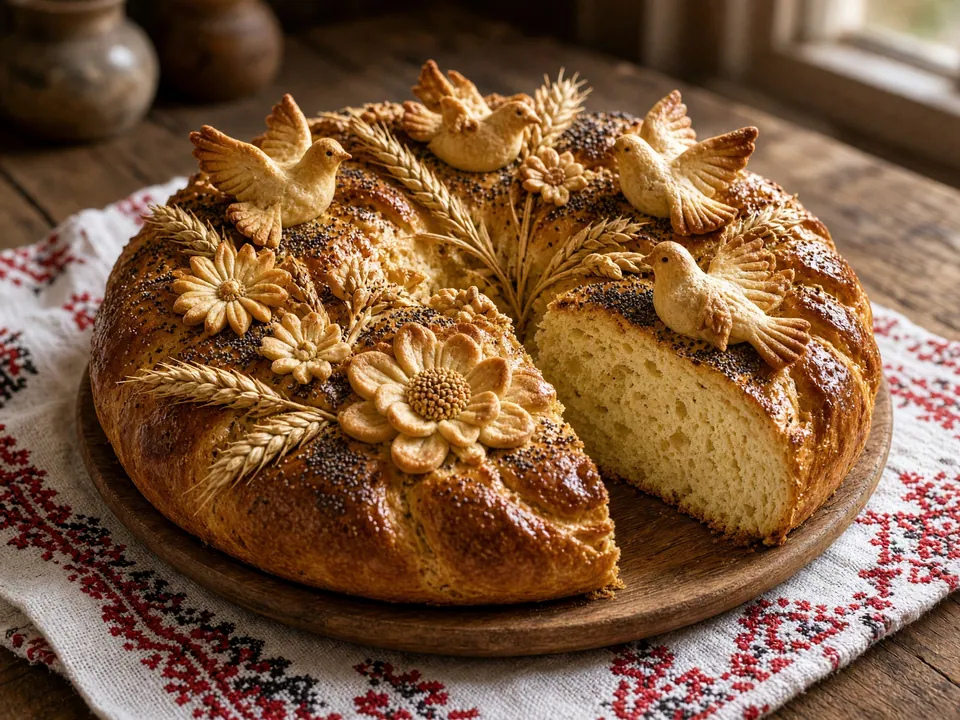
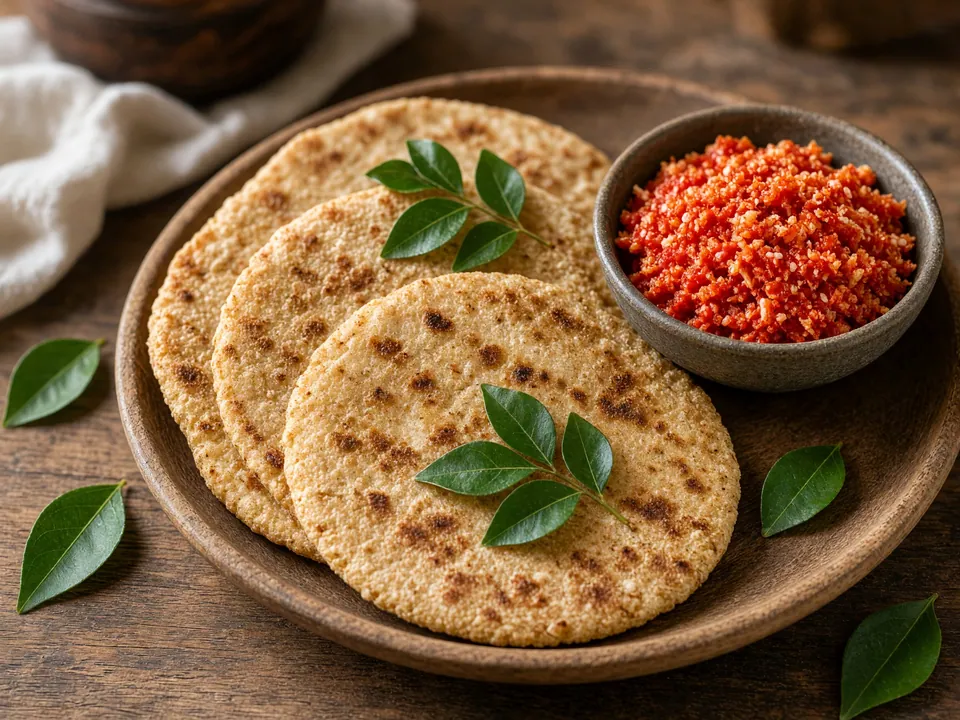
Irəvan kətəsi is een traditioneel Azerbeidzjaans gelaagd platbrood met een zoete, boterige vulling van bloem. Het komt uit de culinaire tradities van de Azerbeidzjaanse gemeenschap in wat nu Jerevan is en wordt in heel Azerbeidzjan genoten als ontbijt of bij de thee. Dunne vellen deeg worden bestreken met boter, bestrooid met een geurige zoete vulling, opgestapeld en op een hete bakplaat gebakken tot ze aan de buitenkant goudbruin en knapperig zijn terwijl ze vanbinnen zacht en bladerig blijven. De subtiele zoetheid en rijke boterige lagen maken het bijzonder en troostend.
Azerbeidzjaans zoet platbrood (Irəvan Kətəsi)
İrəvan kətəsi, Irəvan kətəsi
Uitgesproken ee-REV-ahn keh-TEH-see
- Voor
- 6
- Voorbereiding
- 40 min
- Bereiding
- 25 min
- Totaal
- 1 uur 5 min
- Niveau
- Gemiddeld
Ook notenvrij en ei-vrij.
Allergenen: bevat gluten, melk. Controleer etiketten op verpakte ingrediënten.
Ingrediënten
Hoeveelheden zijn aangepast. Bereidingstijden en panformaten blijven hetzelfde.
Bereiding
In a large bowl, combine ½ cup (65 g) of the flour with the warm milk, yeast, and 1 tbsp sugar. Stir and let sit for 10 minutes until frothy.
Add the remaining 3 cups (375 g) flour, salt, and 3 tbsp (45 ml) of the melted butter. Knead for 8–10 minutes until you have a smooth, soft dough. Cover and let rise in a warm place for 30 minutes.
Meanwhile, prepare the sweet filling. mix ⅓ cup sugar, 2 tbsp flour, and cardamom (if using) in a small bowl. Set aside.
Divide the risen dough into 6 equal pieces. On a lightly floured surface, roll each piece into a very thin circle about 10–12 inches (25–30 cm) in diameter.
Brush each circle generously with melted butter, then sprinkle 2–3 tsp of the sweet filling evenly over the surface.
Roll the circle up tightly into a long rope, then coil the rope into a flat spiral. Gently roll the spiral out again into a 7–8 inch (18–20 cm) flatbread. Repeat with remaining pieces.
Heat a large cast-iron skillet or griddle over medium heat. Brush both sides of each flatbread with melted butter.
Cook each kətə one at a time for 3–4 minutes per side until golden brown with crisp, flaky edges and the surface is lightly blistered.
Stack the finished breads under a clean towel to keep them soft while you cook the rest. Serve warm.
Regionale varianten
Some families add a pinch of saffron to the dough or replace part of the sugar with ground nuts for a richer filling. Modern versions occasionally include vanilla or a light dusting of powdered sugar after cooking.
Tips van de kok
- Roll the dough as thinly as possible before adding the filling to create the signature delicate layers.
- Adjust the amount of sugar in the filling to suit your taste; traditional versions are only mildly sweet.
- Leftover kətə can be reheated in a dry skillet to restore crispness.
Serveer met
Hot black tea, honey, or clotted cream.
Van tevoren maken en bewaren
Best eaten fresh, but can be stored in an airtight container for 1 day and reheated on a skillet.