Estonian Rye Bread (Rukkileib)
Rukkileib Say it: ROOK-kee-layb
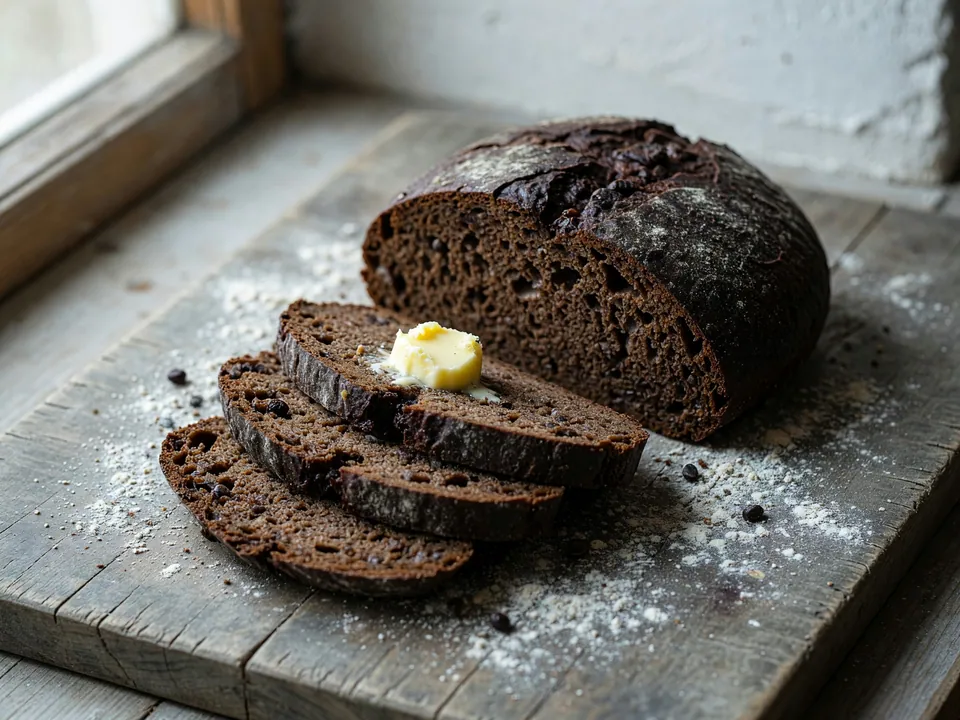
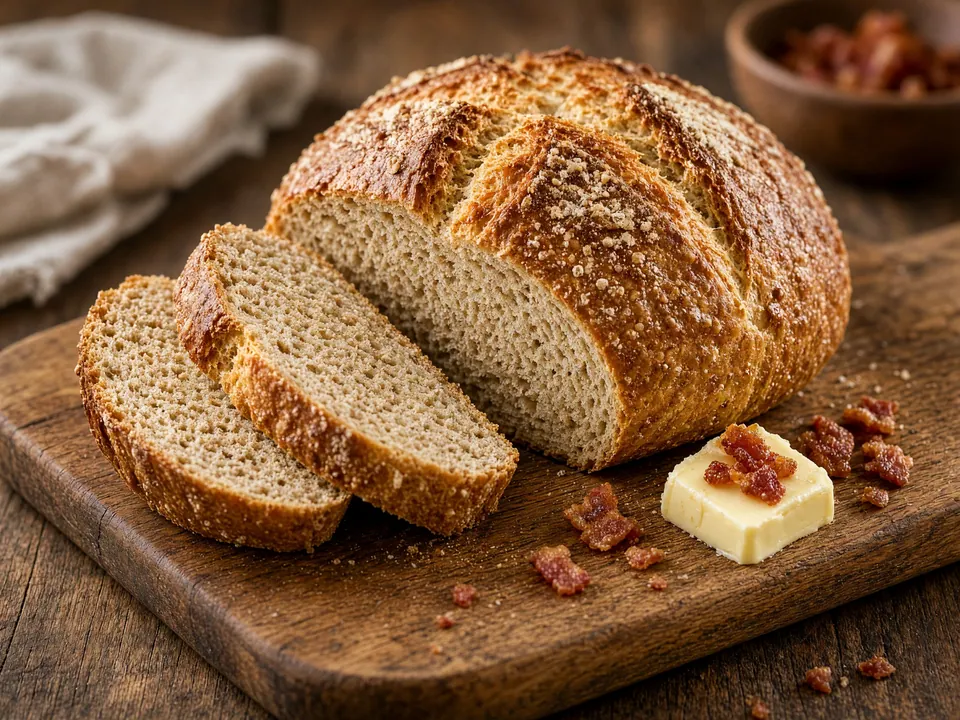
Biting into a slice reveals a moist, dense interior with a subtle tangy bite balanced by faint sweetness from barley malt, while the shiny dark crust delivers satisfying chew. This traditional Estonian loaf brings hearty satisfaction to everyday meals and forms the sturdy base for classic open sandwiches, rewarding the patience its slow sourdough process demands.
Estonian Rye Bread (Rukkileib)
Rukkileib
Pronounced ROOK-kee-layb
- Serves
- 6
- Prep
- 30 min
- Cook
- 1 hr
- Total
- 1 hr 30 min
- Level
- Medium
Also nut-free and egg-free.
Allergens: contains gluten. Check labels on packaged ingredients.
Ingredients
Amounts are scaled. Cooking times and pan sizes stay the same.
For the dough
Method
Confirm the rye sourdough starter is fully active and filled with bubbles. Refresh a refrigerated starter by feeding it 8-12 hours ahead of mixing time.
Combine the active starter with lukewarm water and barley malt syrup in a spacious mixing bowl, whisking thoroughly until the starter breaks down almost completely.
Incorporate both types of rye flour along with the sea salt. Stir vigorously using a sturdy wooden spoon or clean hands until every trace of dry flour disappears, resulting in an extremely tacky and irregular mass. Cover the bowl and allow the mixture to rest for 30 minutes so the flour can fully absorb moisture.
Give the dough one more short stir after the rest period, then cover it again and leave at room temperature for fermentation. Wait until the volume has approximately doubled and a pleasantly acidic aroma develops, typically 4-6 hours depending on kitchen warmth. Cooler conditions may extend this to an overnight rise.
Transfer the risen dough onto a generously floured countertop. Using damp or floured hands, form it into a compact round or elongated shape by folding edges beneath. Position seam-side down inside a floured proofing basket or onto a parchment-covered baking sheet. Cover loosely and let it expand until noticeably puffy and about 50 percent larger, requiring 1-2 hours.
Roughly 30 minutes prior to completing the final rise, heat the oven to 450°F (230°C). Preheat a Dutch oven if that is your baking vessel. When using a baking stone, position an empty metal pan on the bottom rack to generate steam later.
Transfer the proofed loaf carefully into the preheated Dutch oven or onto the hot stone. Make a simple cross or diamond slash on top with a sharp blade if preferred. Seal with the lid or pour a cup of hot water into the steam pan, then bake for 30 minutes.
Uncover the loaf or remove the steam source and lower the oven temperature to 400°F (200°C). Continue baking another 15-20 minutes until the crust reaches a rich deep brown color and the bottom produces a hollow sound when tapped. The center should register around 200°F (93°C) on an instant-read thermometer.
Transfer the finished bread to a wire cooling rack and allow it to reach room temperature before cutting. Flavor and texture both benefit from wrapping the cooled loaf and waiting a full day prior to slicing.
Regional variant: Sepik (Sepik)
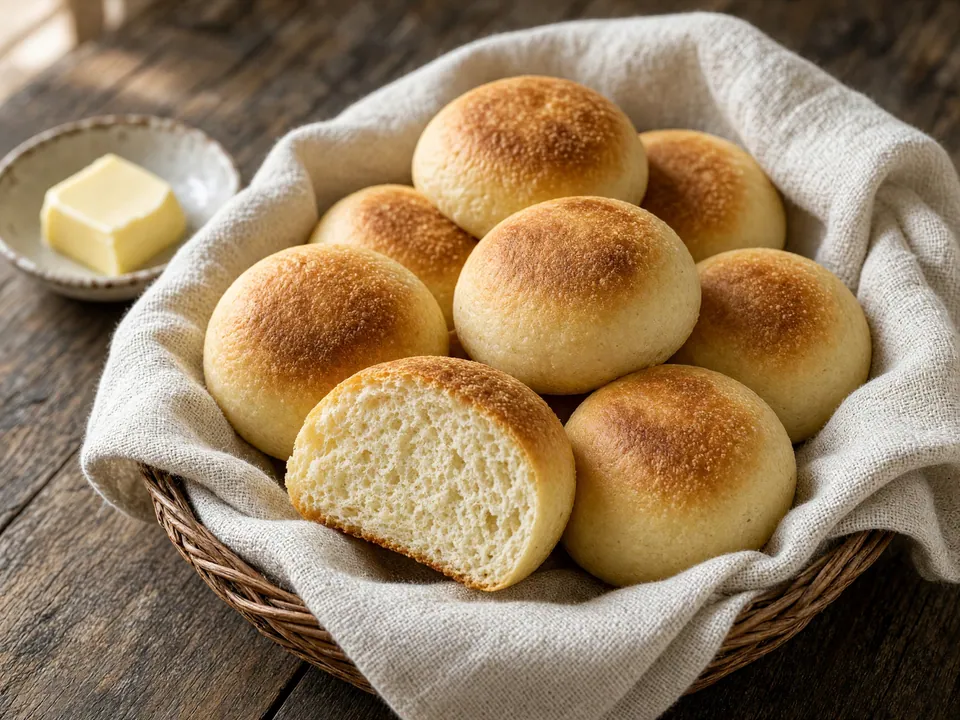
Sepik is a lighter, sweeter Estonian bread made with half rye and half wheat flour, often using buttermilk or milk and honey instead of water and malt syrup. The dough is enriched, rises more, and bakes into a softer loaf with a thinner crust, popular for breakfast.
Cook's notes
- This rye mixture sticks far more than typical wheat dough, so maintain a light dusting of flour or keep hands and tools slightly moistened throughout shaping.
- Weighing rye flour on a digital scale delivers consistent results far better than using measuring cups, which can produce wide variations in volume.
- Maximum taste and ideal crumb develop when the baked and cooled loaf is wrapped in a clean kitchen towel and left untouched for a full 24 hours.
Serve with
Serve sliced with salted butter and aged cheese, or use for open-faced sandwiches with smoked fish, ham, or pickled herring; pairs well with milk, kefir, or a dark beer.
Make ahead and storage
The bread keeps well wrapped in a linen cloth at room temperature for up to a week; freezes excellently for up to 3 months. The sourdough starter must be prepared in advance.