Bolo de queijo salvadorenho (Quesadilla Salvadoreña)
Quesadilla salvadoreña Diga: keh-sah-DEE-yah sahl-vah-do-REH-nyah
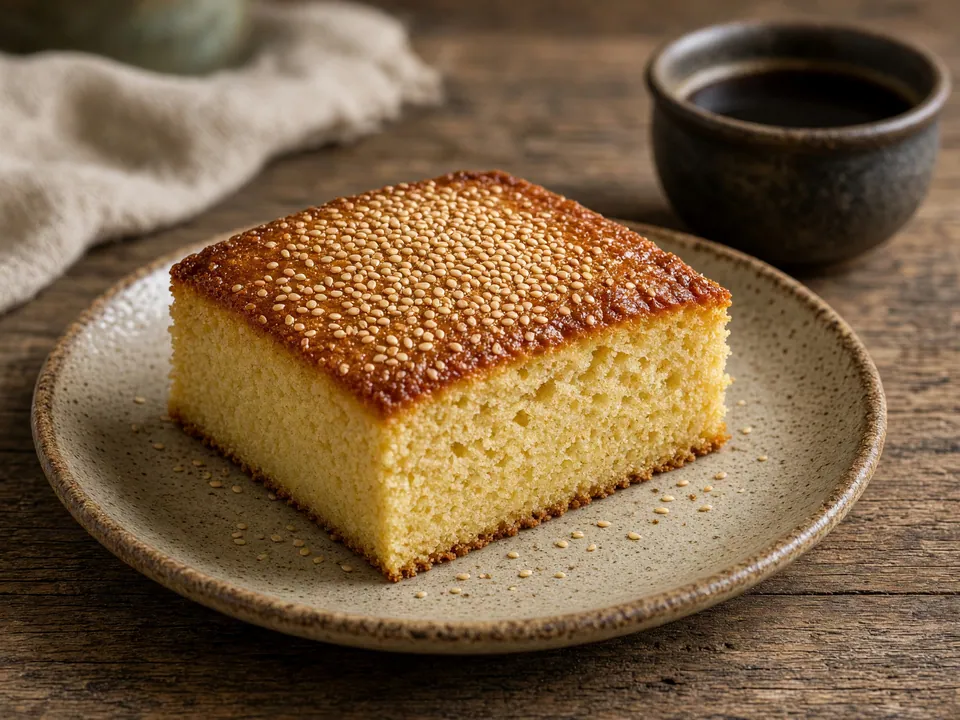
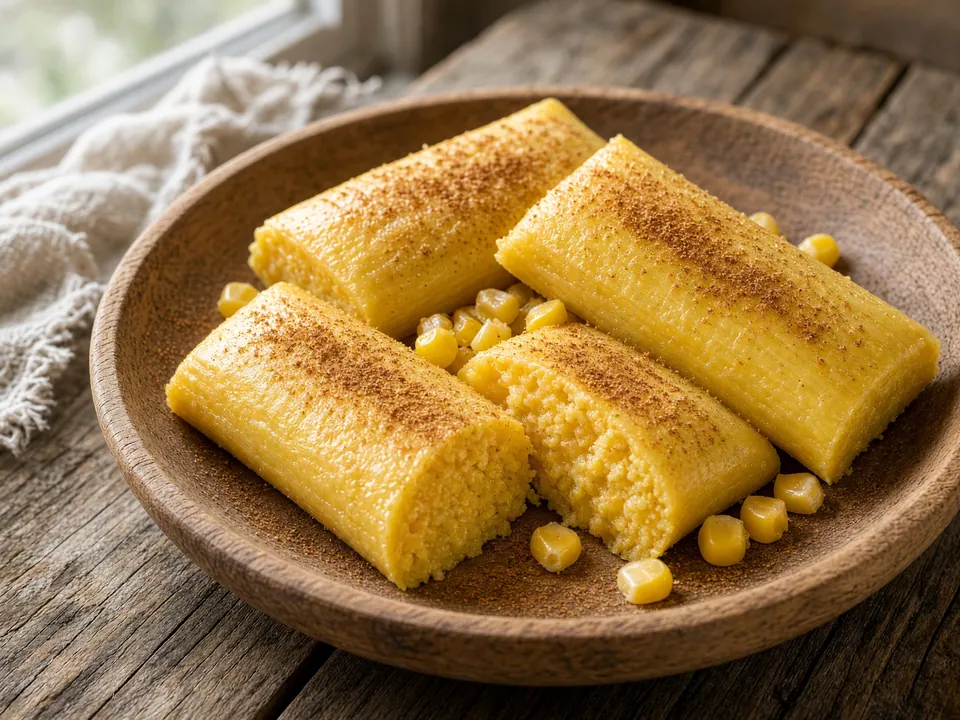
Padeiros de todo o El Salvador valorizam este bolo rico e úmido pelo seu leve toque salgado e textura macia que derrete na língua, entre um bolo inglês clássico e um pão de milho levemente doce. A crosta de sementes de gergelim adiciona uma crocância agradável e aroma tostado, tornando cada quadrado ideal para acompanhar o café da manhã ou uma caneca de atole de milho quente.
Bolo de queijo salvadorenho (Quesadilla Salvadoreña)
Quesadilla salvadoreña
Pronúncia keh-sah-DEE-yah sahl-vah-do-REH-nyah
- Rende
- 12
- Preparação
- 20 min
- Cozimento
- 40 min
- Total
- 1 h
- Nível
- Fácil
Também sem nozes.
Alergênicos: contém leite, ovo, gergelim. Verifique os rótulos dos ingredientes embalados.
Ingredientes
As quantidades foram ajustadas. O tempo de cozimento e o tamanho das formas permanecem os mesmos.
Cake
Topping
Modo de preparo
Set the oven to 350°F (175°C). Grease a 9x13-inch (23x33 cm) baking pan, place parchment paper on the bottom, and grease the paper as well.
Using an electric mixer on medium-high speed, whip the softened butter with the sugar in a big mixing bowl until the mixture turns pale and airy, roughly 3 minutes. Stir in the vanilla extract.
Lower the mixer speed and incorporate the eggs one by one, mixing thoroughly between each addition. The mixture might appear somewhat separated at this stage.
In another bowl combine the rice flour, baking powder, and baking soda. In a separate small container blend the finely grated cheese with the milk until smooth.
On low speed gradually incorporate the flour mixture into the batter in three stages, alternating with the cheese-milk liquid and finishing with the dry ingredients. Blend only until the batter is uniform. Carefully stir in the crema salvadoreña or sour cream until fully incorporated with no visible streaks.
Transfer the batter into the prepared pan, spread it level with a spatula, and evenly distribute the sesame seeds across the surface.
Place in the oven and bake 35–40 minutes, turning the pan once midway, until the surface turns golden and a skewer inserted in the middle emerges clean or with a couple of moist crumbs attached. Cover loosely with foil if the top browns too fast.
Allow the cake to rest in the pan on a cooling rack for 10 minutes. Loosen the sides with a knife, then remove using the parchment or turn out onto the rack and let it reach room temperature before cutting into squares or rectangles.
Variante regional: Maize flour quesadilla (quesadilla de maíz)
Swap the rice flour for an equal measure of masa harina or very fine corn flour and include an additional 2 to 3 tablespoons of milk since corn flour takes up more moisture. Follow the identical procedure; the finished cake will taste a bit more rustic and corn-forward, resembling a sweetened cornbread.
Notas do cozinheiro
- Grate fresh Parmesan or Cotija yourself instead of using packaged shredded cheese so it incorporates smoothly and delivers the characteristic salty flavor.
- When crema salvadoreña is unavailable, full-fat sour cream serves as the best common replacement, while whole-milk Greek yogurt can also be used.
- To achieve a thinner version like those sold in bakeries, use a 10x15-inch (25x38 cm) jelly-roll pan and begin testing for doneness 5–8 minutes sooner.
Sirva com
Serve warm or at room temperature with strong Salvadoran coffee, hot chocolate, or atol de elote.
Antecipe e armazenamento
Keep covered at room temperature for up to 3 days, or slice and freeze in an airtight container for up to 3 months.