Salwadorski sernik (Quesadilla Salvadoreña)
Quesadilla salvadoreña Powiedz to: keh-sah-DEE-yah sahl-vah-do-REH-nyah
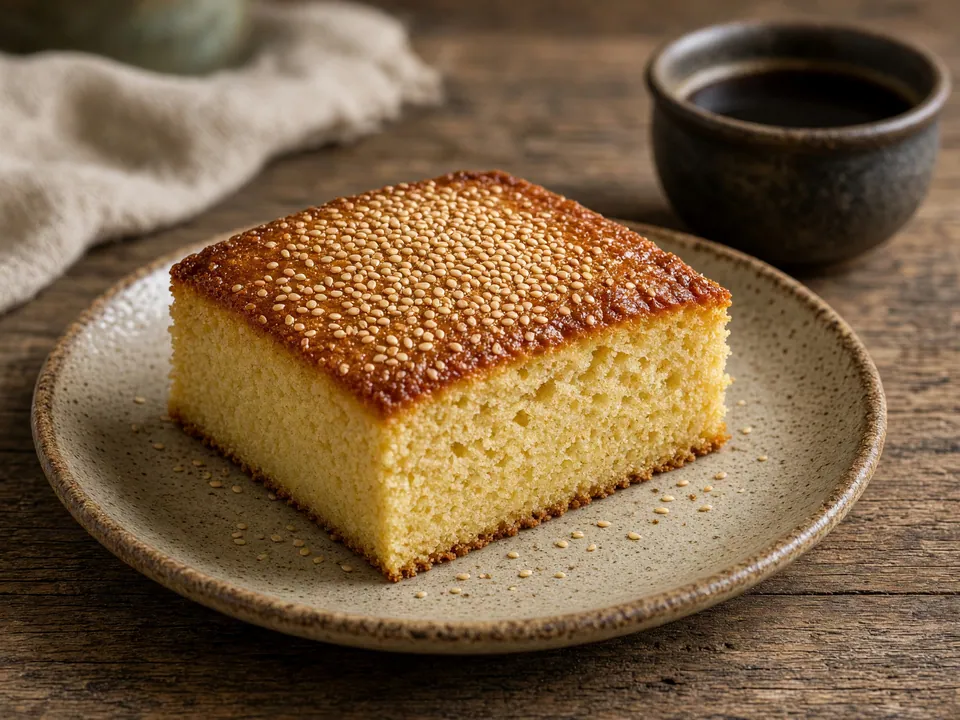
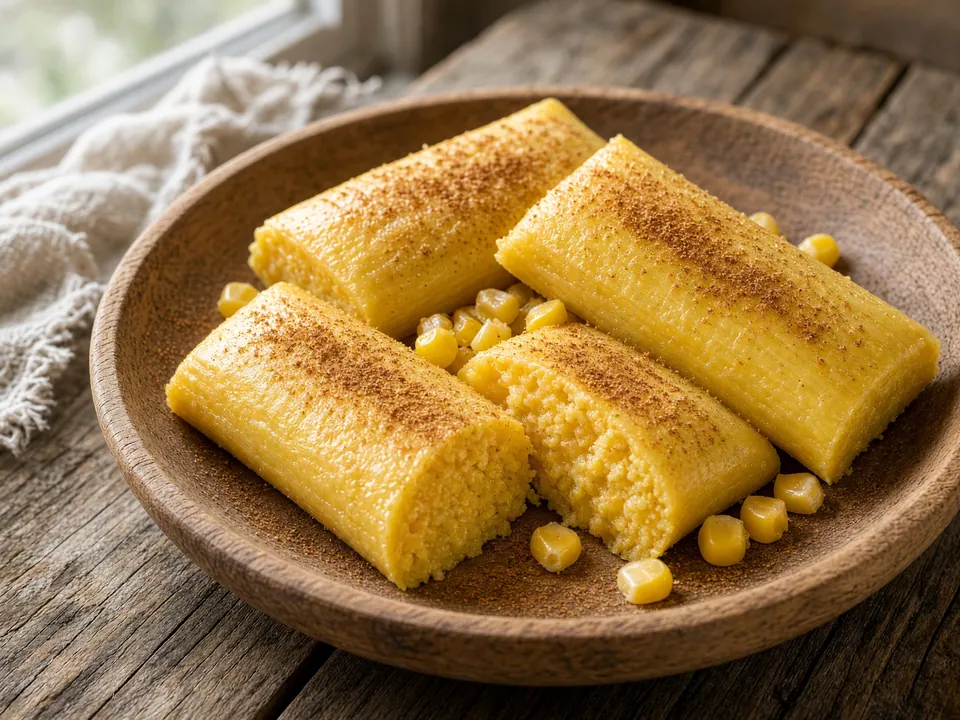
Piekarze w całym Salwadorze cenią ten bogaty, wilgotny placek za delikatną słoną nutę i kruchą konsystencję, która rozpływa się na języku – coś pomiędzy klasycznym sernikiem a lekko słodką kukurydzianą babką. Skorupka z sezamu dodaje przyjemnego chrupania i prażonego aromatu, dzięki czemu każdy kawałek idealnie pasuje do porannej kawy lub kubka ciepłego atol de elote.
Salwadorski sernik (Quesadilla Salvadoreña)
Quesadilla salvadoreña
Wymowa: keh-sah-DEE-yah sahl-vah-do-REH-nyah
- Porcje
- 12
- Przygotowanie
- 20 min
- Gotowanie
- 40 min
- Razem
- 1 godz.
- Poziom
- Łatwy
Także bezorzechowe.
Alergeny: zawiera mleko, jajko, sezam. Sprawdź etykiety na opakowaniach składników.
Składniki
Ilości zostały przeskalowane. Czasy gotowania i rozmiary naczyń pozostają takie same.
Cake
Topping
Przygotowanie
Set the oven to 350°F (175°C). Grease a 9x13-inch (23x33 cm) baking pan, place parchment paper on the bottom, and grease the paper as well.
Using an electric mixer on medium-high speed, whip the softened butter with the sugar in a big mixing bowl until the mixture turns pale and airy, roughly 3 minutes. Stir in the vanilla extract.
Lower the mixer speed and incorporate the eggs one by one, mixing thoroughly between each addition. The mixture might appear somewhat separated at this stage.
In another bowl combine the rice flour, baking powder, and baking soda. In a separate small container blend the finely grated cheese with the milk until smooth.
On low speed gradually incorporate the flour mixture into the batter in three stages, alternating with the cheese-milk liquid and finishing with the dry ingredients. Blend only until the batter is uniform. Carefully stir in the crema salvadoreña or sour cream until fully incorporated with no visible streaks.
Transfer the batter into the prepared pan, spread it level with a spatula, and evenly distribute the sesame seeds across the surface.
Place in the oven and bake 35–40 minutes, turning the pan once midway, until the surface turns golden and a skewer inserted in the middle emerges clean or with a couple of moist crumbs attached. Cover loosely with foil if the top browns too fast.
Allow the cake to rest in the pan on a cooling rack for 10 minutes. Loosen the sides with a knife, then remove using the parchment or turn out onto the rack and let it reach room temperature before cutting into squares or rectangles.
Wariant regionalny: Maize flour quesadilla (quesadilla de maíz)
Swap the rice flour for an equal measure of masa harina or very fine corn flour and include an additional 2 to 3 tablespoons of milk since corn flour takes up more moisture. Follow the identical procedure; the finished cake will taste a bit more rustic and corn-forward, resembling a sweetened cornbread.
Uwagi kucharza
- Grate fresh Parmesan or Cotija yourself instead of using packaged shredded cheese so it incorporates smoothly and delivers the characteristic salty flavor.
- When crema salvadoreña is unavailable, full-fat sour cream serves as the best common replacement, while whole-milk Greek yogurt can also be used.
- To achieve a thinner version like those sold in bakeries, use a 10x15-inch (25x38 cm) jelly-roll pan and begin testing for doneness 5–8 minutes sooner.
Podawać z
Serve warm or at room temperature with strong Salvadoran coffee, hot chocolate, or atol de elote.
Przygotowanie z wyprzedzeniem i przechowywanie
Keep covered at room temperature for up to 3 days, or slice and freeze in an airtight container for up to 3 months.