Paper-Thin Flatbread (Rumali Roti)
رومالی روٹی Rumali RotiSay it: roo-MAH-lee ROH-tee
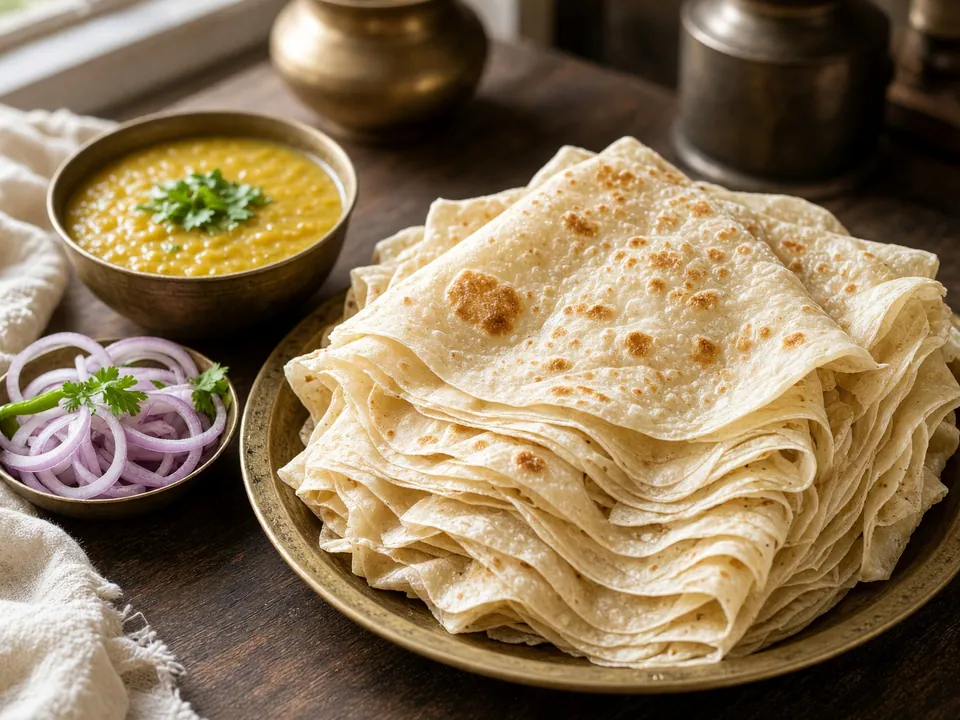
Rumali roti is a paper-thin Indian flatbread whose name comes from the Urdu word for handkerchief, rumal—a nod to how it is folded and draped. It is especially associated with Hyderabad, where it is served at lunch or dinner alongside kebabs, curries, and dal. The dough is simply flour, salt, oil, and water, but the technique is what makes it special: the rested dough is stretched until almost translucent and cooked briefly on a hot inverted griddle. The result is soft, pliable, and lightly crisp at the edges, perfect for scooping and wrapping.
Paper-Thin Flatbread (Rumali Roti)
رومالی روٹی, Rumali Roti
Pronounced roo-MAH-lee ROH-tee
- Serves
- 4
- Prep
- 40 min
- Cook
- 20 min
- Total
- 1 hr
- Level
- Medium
Also nut-free and egg-free.
Allergens: contains gluten. Check labels on packaged ingredients.
Ingredients
Amounts are scaled. Cooking times and pan sizes stay the same.
Dough
For dusting
Method
In a wide bowl, whisk the 2 cups (250 g) all-purpose flour with the salt. Drizzle in the oil and rub it through the flour with your fingertips until the mixture looks sandy.
Add the warm water a little at a time, mixing with your fingers, until a shaggy dough forms. Turn it out and knead on a lightly floured surface for 8–10 minutes, until smooth, soft, and only slightly tacky.
Shape the dough into a ball, cover with a damp cloth, and rest for 30 minutes at room temperature. Divide into 8 equal pieces, about 55 g each, and keep them covered.
Lightly dust one piece of dough and roll it into a thin 6-inch (15 cm) circle. Lift it, dust off excess flour, and stretch it by tossing it gently from hand to hand or pulling it from the edges until it is almost translucent, about 9–10 inches (23–25 cm) across.
Heat a heavy skillet or tawa upside down over medium-high heat until a drop of water sizzles and evaporates. Carefully lay the stretched roti over the hot base of the inverted skillet.
Cook for 20–30 seconds, until bubbles appear and the underside has pale brown spots. Flip with tongs and cook for 10–15 seconds more, until just set and the edges are lightly crisp; do not overcook or it will become brittle.
Slide the roti onto a clean towel, fold it into quarters or crumple it gently, and wrap it in the towel to keep soft. Repeat with the remaining dough, dusting the work surface only as needed.
Serve the rumali rotis warm, stacked and covered, so they stay pliable enough to fold around kebabs or scoop up curry.
Regional variants
Some home cooks replace a little of the maida with whole wheat flour (atta) for a slightly nuttier roti; keep the dough soft and rest it well. In Hyderabad it is most often paired with kebabs, while in North India it commonly accompanies tandoori meats and rich curries.
Cook's notes
- The dough should be softer than chapati dough but not sticky; rest it well so it stretches without tearing.
- A heavy skillet turned upside down mimics a rumali tawa; let it heat fully before cooking, and wipe off any flour between rotis.
- Stack the cooked rotis under a towel as you go—they stay soft and foldable.
Serve with
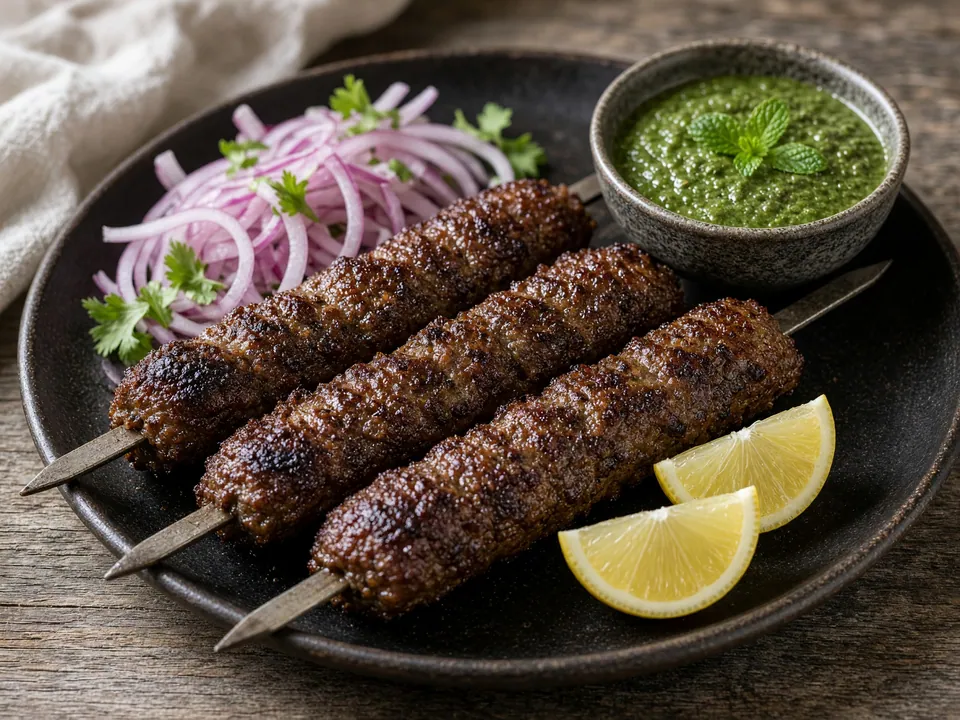
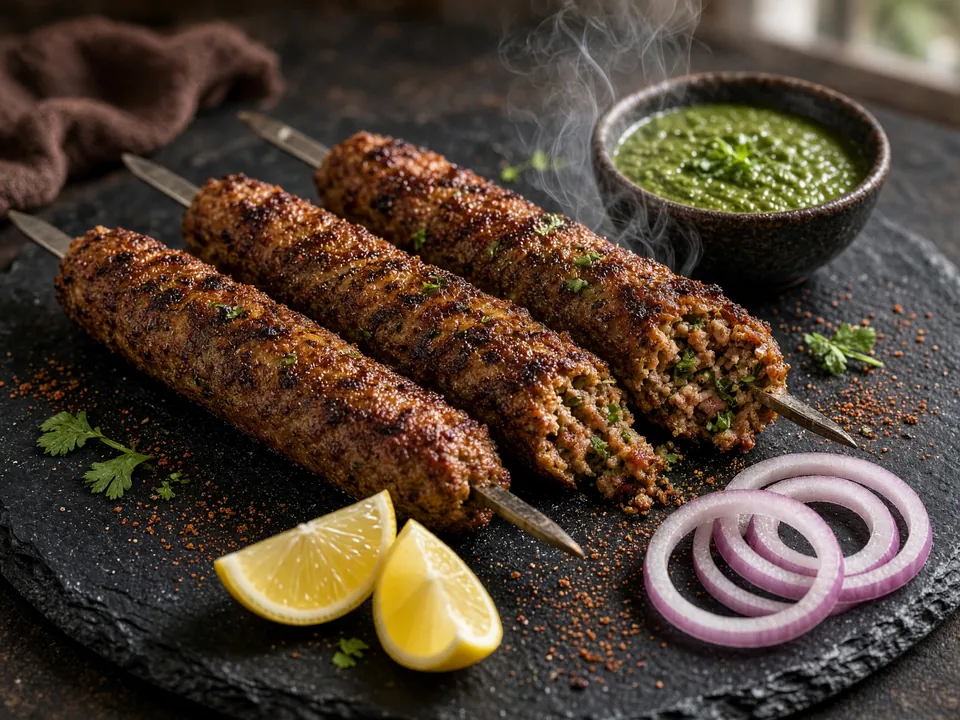
Hyderabadi kebabs, dal, or curries; traditionally folded like a handkerchief.
Make ahead and storage
Best fresh; store cooled rotis in an airtight bag for up to 1 day and reheat briefly in a dry skillet or microwave.