Nepali Sprouted Bean Soup (Kwati)
क्वाँटी KwatiSay it: KWAH-tee

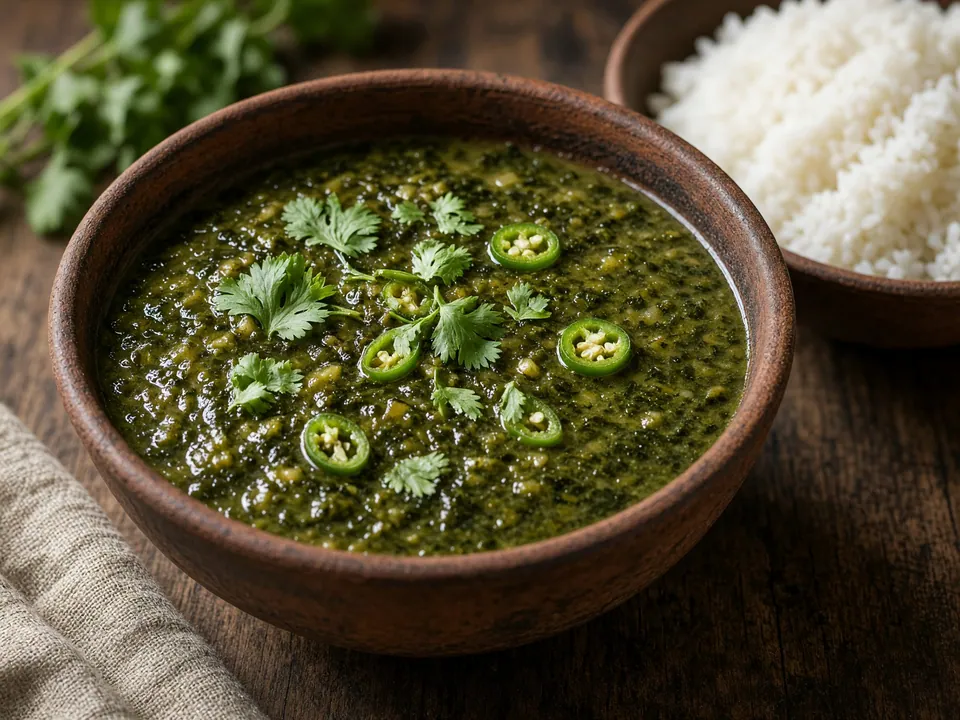
Kwati is a nourishing soup prepared from nine varieties of beans that are soaked and sprouted before being simmered with aromatic spices. It is a traditional dish of the Kathmandu Valley, especially enjoyed during the Janai Purnima festival when families gather to honor the sacred thread ceremony on the full moon day. The sprouted beans create an earthy, slightly nutty flavor and creamy texture, while cumin, ginger, and turmeric lend warmth that is believed to support digestion after the monsoon rains.
Nepali Sprouted Bean Soup (Kwati)
क्वाँटी, Kwati
Pronounced KWAH-tee
- Serves
- 4
- Prep
- 30 min
- Cook
- 50 min
- Total
- 1 hr 20 min
- Level
- Medium
Also nut-free and egg-free.
Allergens: none of the major allergens in the listed ingredients. Check labels on packaged ingredients.
Ingredients
Amounts are scaled. Cooking times and pan sizes stay the same.
Method
Sort and rinse all nine beans thoroughly. Soak them together in plenty of water for 8–12 hours. Drain, spread on a damp cloth or in a colander, cover, and allow to sprout for 12–24 hours until small tails appear.
Heat the vegetable oil in a large pot over medium heat. Add the chopped onion and cook, stirring often, until soft and lightly golden, about 6 minutes.
Add the minced garlic and grated ginger; stir for 30 seconds until fragrant. Stir in the cumin, turmeric, coriander, and chili powder and cook for another 20 seconds until the spices smell toasted.
Add the sprouted beans to the pot and stir well to coat them evenly with the spice mixture. Pour in the 6 cups (1.4 L) of water and bring to a rolling boil.
Reduce heat to low, cover the pot, and simmer gently for 40–50 minutes, stirring occasionally, until the beans are very tender and the soup has thickened to a creamy consistency.
Season with salt. Using a potato masher or the back of a spoon, gently mash about one-quarter of the beans to thicken the broth while leaving most beans whole.
Simmer uncovered for 5 more minutes. Stir in the lemon juice, taste and adjust seasoning, then remove from heat.
Ladle the hot soup into bowls and garnish generously with chopped fresh cilantro.
Regional variants
Some Newari families add a pinch of asafoetida (hing) along with the spices for extra digestive benefit. A few fresh curry leaves may also be included when available.
Cook's notes
- Start sprouting the beans two days before cooking; this step is essential for the authentic texture and digestibility of the dish.
- If horse gram or fava beans are hard to find, substitute with more mung beans or chickpeas while aiming to use nine varieties if possible.
- The soup continues to thicken as it cools; add a little hot water when reheating to reach the desired consistency.
Serve with
Steamed rice, sel roti, or a side of achar (pickle).
Make ahead and storage
Kwati tastes even better the next day. Refrigerate up to 4 days or freeze for 2 months; reheat gently on the stove, adding water if needed.