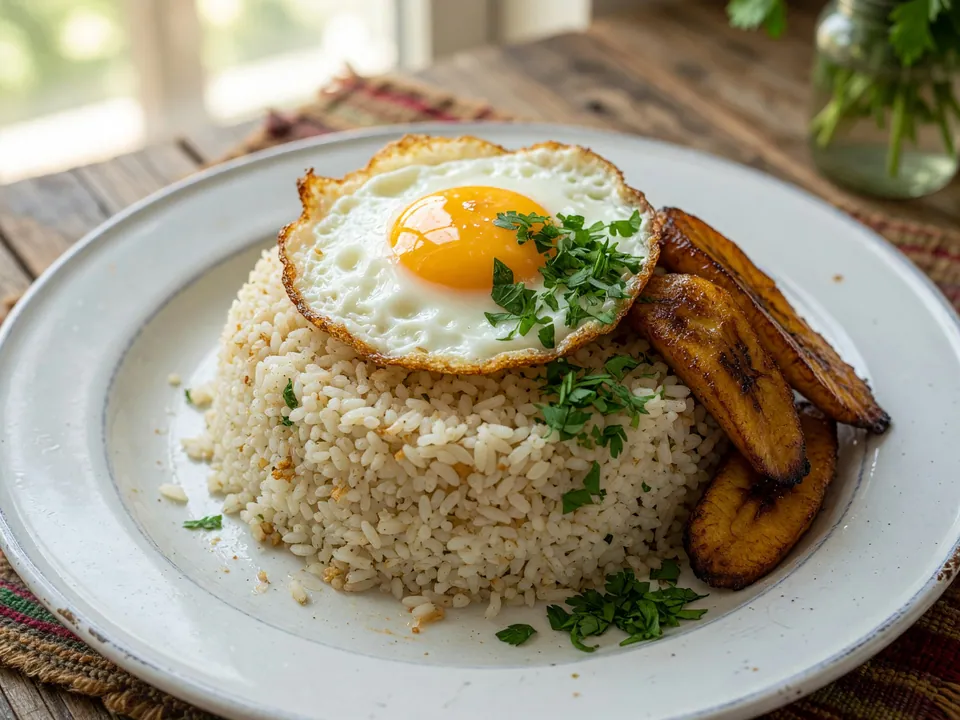
Baked Cracked Wheat with Pork (Korkot)
Կորկոտ korkotSay it: kor-KOT
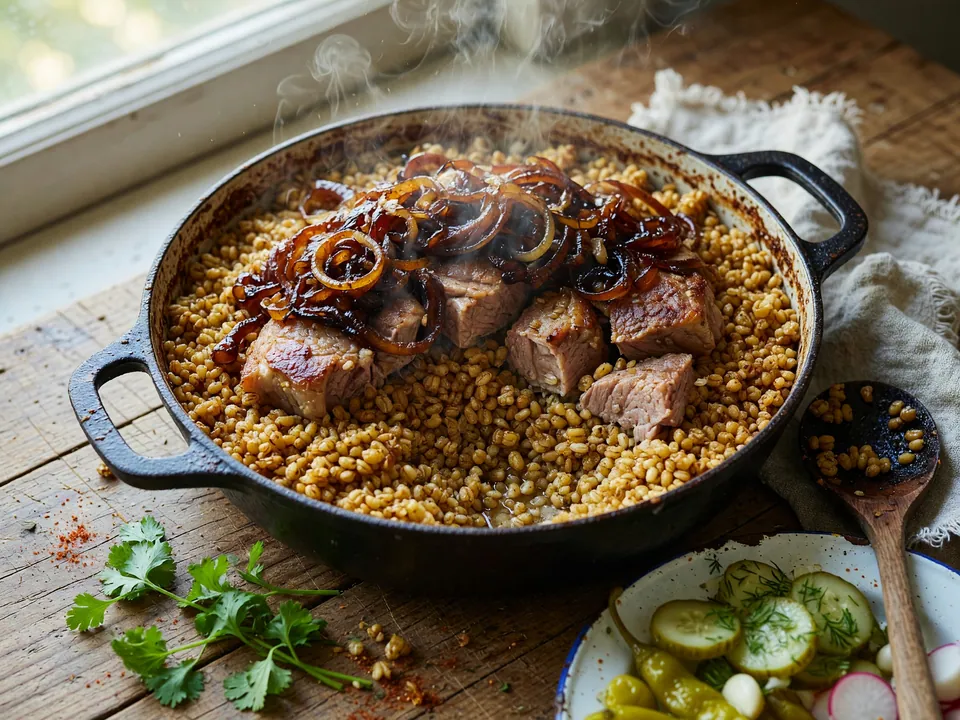
Korkot is a cold-weather centerpiece for a crowd: a heavy pot of coarse cracked wheat and pork that reaches the table golden at the edges and rich within. Fried onions melt into the grain, and the pork juices season every spoonful as the long bake makes the meat fork-tender and the wheat soft. Traditionally baked overnight in a tonir or wood-fired oven, it is a festive dish for weddings and large gatherings. Because it rests well and reheats neatly, it works for a holiday table or a big Sunday meal, served straight from the pot with something sharp and crunchy alongside.
Baked Cracked Wheat with Pork (Korkot)
Կորկոտ, korkot
Pronounced kor-KOT
- Serves
- 6
- Prep
- 30 min
- Cook
- 5 hr
- Total
- 5 hr 30 min
- Level
- Easy
Also nut-free and egg-free.
Allergens: contains gluten. Check labels on packaged ingredients.
Ingredients
Amounts are scaled. Cooking times and pan sizes stay the same.
Method
At least 5 hours before baking, or the night before, put the cracked wheat in a bowl and rinse it through several changes of cold water. Cover it well with cold water and leave it to soak. Drain thoroughly before assembly. Rub the pork chunks on all sides with the salt and red pepper.
Heat the oven to 400°F (200°C). Peel the onions, cut them in half, and slice them into thin half-moons. Warm the oil in a wide skillet over medium heat. Cook the onions, stirring now and then, for 8–10 minutes, until they are soft and golden. Take the skillet off the heat.
Use a heavy ovenproof pot or Dutch oven; cast iron works especially well. Put the fattiest bone-in pork pieces in one layer on the bottom. Scatter one-third of the drained wheat over them. Add another layer of pork, then another third of the wheat, then the rest of the pork, and finally the last of the wheat. Spread the fried onions over the top. If you like, add a light sprinkle of salt and red pepper.
Pour cold water down the inside edge of the pot until the contents are covered by about 1 inch (two finger-widths). Close the pot with a tight lid or a double layer of foil.
Bake for 3.5–4 hours. The pork should be fork-tender, and the wheat should have taken up most of the liquid while the pot still looks moist. If the surface seems dry before the pork is ready, add a little hot water.
Switch off the oven and leave the covered pot inside for 1 hour so the dish can settle.
Spoon it out hot, digging through the layers, and serve with pickles or a fresh salad.
Regional variant: Lamb korkot (korkot garn misov, կորկոտ գառան մսով)
Use the same weight of bone-in lamb shoulder or neck in place of the pork. Lamb tastes sweeter and a little more robust. If using beef, choose chuck or shank and add 30–45 minutes to the baking time. Goose makes a festive alternative; use less added oil because goose releases more fat.
Cook's notes
- Coarse bulgur, grades #3/#4, gives the right texture; fine bulgur cooks much faster and can go mushy, so shorten the bake if you use it.
- The soak is not optional: it helps the grain cook evenly and keeps it from drying out.
- Pork with a good amount of fat and some bone is best; it keeps the pot moist through the long bake.
Serve with
Offer pickled vegetables (tourshi), a fresh tomato-cucumber salad, and, for a celebration, mulberry or cornelian cherry vodka.
Make ahead and storage
Korkot reheats well. Let it cool, keep it covered in the refrigerator for up to 3 days, then warm it gently in a covered pot with a little water or in a low oven.