Why Is My Risotto Not Creamy? Fixes That Work
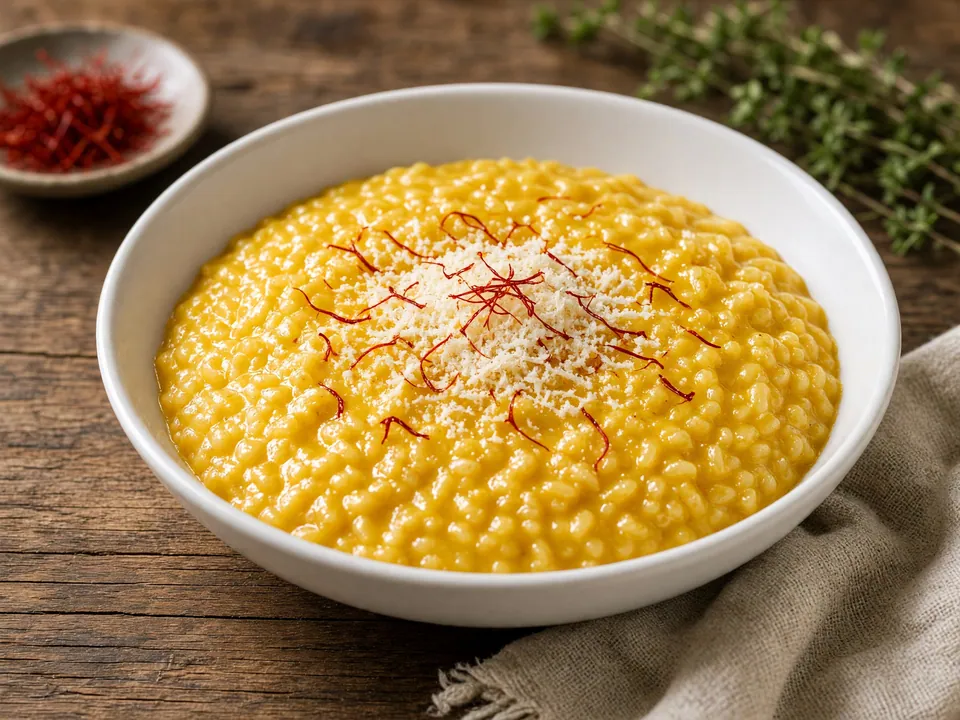
Risotto loses its creaminess when the rice is cooked with cold or added-too-fast stock, stirred too little or too much, or finished without the final off-heat beat of butter and cheese. Fix those four points and the grains stay separate while the sauce turns silky and flowing.
Creaminess comes from starch, not from cream
Short-grain rice such as Arborio, Carnaroli or Vialone Nano is packed with surface starch. When the grains are toasted in fat and then stirred through hot liquid, that starch releases into the stock and thickens it into a natural sauce. Nothing else is needed. The creaminess is built grain by grain, which is why the method matters more than the ingredient list.
Keep the stock hot
Cold stock is the most common reason a risotto turns out uneven and stiff. Add a ladle of cold liquid to a hot pot and the rice stops cooking while the temperature drops, so the grains release starch unevenly. Keep the stock at a bare simmer in a separate pan and add it one ladleful at a time, waiting until each addition is almost absorbed before adding the next.
The saffron risotto makes this easy to see: the rice is added to softened onion, toasted until the grains are glossy with translucent edges, then deglazed with white wine before the hot stock goes in. That order builds the base for a creamy finish.
Toast the rice, then add wine
After the onion is soft and translucent but not browned, add the rice and stir for a couple of minutes. The grains should feel hot and look glossy, with translucent edges and opaque centers. This step coats each grain in fat and primes it to release starch slowly.
Then pour in dry white wine and stir until it has evaporated and the sharp alcohol smell is gone. The wine adds acidity that balances the richness of the butter and cheese later.
Stir firmly, but not constantly
Stirring is what rubs the grains against each other and releases starch. Too little stirring and the rice sits in liquid and turns gluey at the bottom. Too much and the grains break down into porridge. Aim for firm, regular stirring, often enough to keep the rice moving, and let each ladle of stock be almost absorbed before the next.
Watch the texture rather than the clock. The radicchio risotto cooks for 18 to 20 minutes total, until the rice is creamy but still has a slight bite in the center. The saffron version needs about 18 to 20 minutes of stock adding after the first 10, until the rice is al dente and flows slowly when the pot is shaken. You may not need every drop of stock.
The final beat is not optional
Take the pot off the heat before the last addition of butter and grated Parmigiano-Reggiano. Beat them in vigorously for about 30 seconds. This is what turns a good risotto into a silky one: the fat emulsifies into the starchy liquid and gives the dish its shine and flow.
Then cover the pot and let it rest for one to two minutes. The rest lets the texture settle so the risotto is creamy rather than loose. Serve immediately, in warm bowls.
Choose rice that can take the stirring
Vialone Nano, Carnaroli and Arborio are the short-grain rices that absorb liquid slowly and stay al dente through long stirring. Long-grain rice will not give the same result, and rinsing short-grain rice before cooking washes away the surface starch you need.
Common problems and their fixes
- Gluey or pasty: too much stirring, too much liquid at once, or rice cooked past al dente. Stir firmly but let each ladle absorb, and taste early.
- Dry or stiff: stock added too fast, the pot too hot, or the risotto left sitting before serving. Keep the stock hot, add it gradually, and serve as soon as it rests.
- Bland: season the onion with salt at the start, taste at the end, and adjust with more salt and black pepper. The Parmigiano is salty, so taste before adding more.
- No shine: the final butter and cheese were skipped or added over high heat. Beat them in off the heat.
Serving and leftovers
Risotto is best eaten immediately. Leftovers keep for up to two days in the fridge and reheat gently with a splash of hot stock, though the texture will be softer than fresh. A crisp white wine and a simple green salad are the classic accompaniments.