Pitalka / Somun (Kosovar Flatbread)
Pitalka (Somun) Say it: pi-TAHL-ka (SOH-mun)
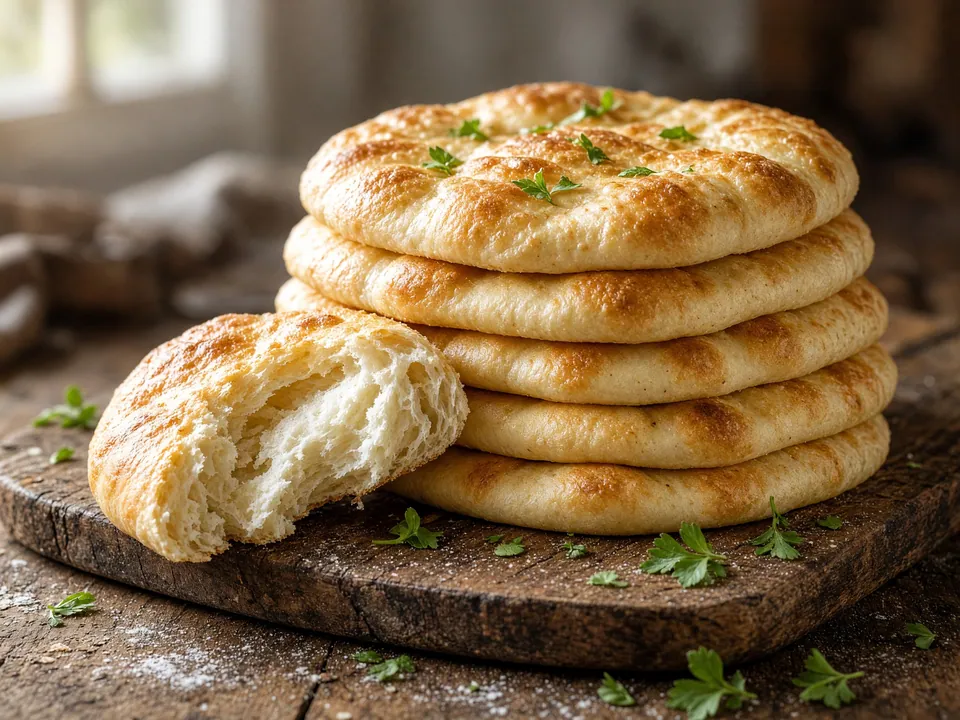
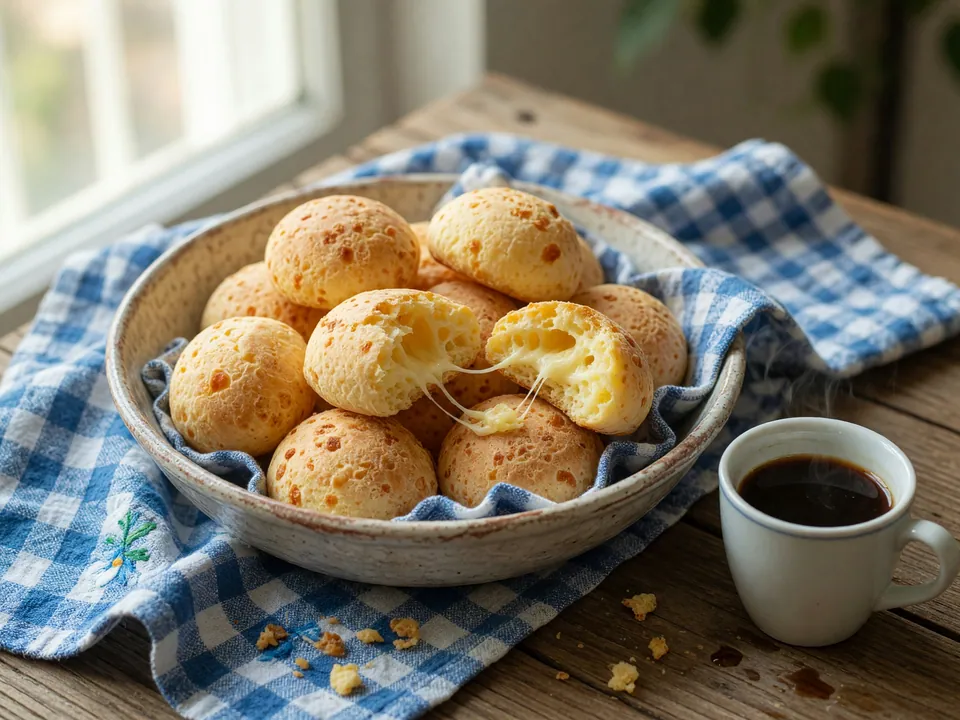
Pitalka, also known as somun, is a soft, pillowy round flatbread beloved across Kosovo. In Prizren and beyond, it is the classic accompaniment to grilled qebapa (kebabs) and is equally popular at breakfast, torn and dipped into fried eggs or served alongside cheese and kaymak. Its tender, slightly chewy texture and subtle sweetness come from a simple enriched dough that is baked quickly at high heat, creating a golden crust and fluffy interior that stays soft for hours.
Pitalka / Somun (Kosovar Flatbread)
Pitalka (Somun)
Pronounced pi-TAHL-ka (SOH-mun)
- Serves
- 6
- Prep
- 25 min
- Cook
- 20 min
- Total
- 45 min
- Level
- Medium
Also nut-free.
Allergens: contains gluten, milk, egg. Check labels on packaged ingredients.
Ingredients
Amounts are scaled. Cooking times and pan sizes stay the same.
Method
In a large bowl, combine the warm water, warm milk, yeast, and sugar. Stir and let sit for 5-10 minutes until frothy.
Add the oil, salt, and 3 cups (375 g) of the flour. Mix with a wooden spoon until a thick batter forms.
Gradually add the remaining flour, ½ cup at a time, until the dough comes together and is soft but not sticky. Turn onto a lightly floured surface and knead for 8-10 minutes until smooth and elastic.
Place the dough in a lightly oiled bowl, cover with a clean kitchen towel, and let rise in a warm spot for 1 hour or until doubled in size.
Punch down the dough and divide it into 6 equal pieces. Shape each piece into a smooth ball, then gently flatten into rounds about ½ inch (1.2 cm) thick and 7 inches (18 cm) across.
Place the rounds on two parchment-lined baking sheets. Cover and let rise for another 20 minutes.
Preheat oven to 450°F (230°C). Brush each pitalka generously with beaten egg.
Bake for 10-12 minutes, rotating the pans halfway, until the breads are golden brown and sound hollow when tapped on the bottom.
Remove from the oven and immediately brush with melted butter. Wrap in a clean towel to keep soft while cooling slightly.
Regional variants
In some Kosovo households a touch of yogurt is added to the dough for extra tenderness. Modern versions sometimes include a sprinkle of sesame or nigella seeds before baking.
Cook's notes
- For the softest texture, do not over-flour the dough; it should remain slightly tacky during kneading.
- Traditional wood-fired ovens give an even better crust, but a very hot conventional oven works well at home.
- Leftover pitalka can be reheated in a dry skillet for 30 seconds per side to restore freshness.
Serve with
Grilled qebapa with raw onions and kajmak, or fried eggs and fresh cheese for breakfast.
Make ahead and storage
Best eaten the day they are baked. Store in an airtight bag up to 2 days; reheat in a hot skillet or 300°F (150°C) oven for a few minutes.