How Bulgarian Kozunak Differs from Regional Easter Breads
The Easter Bread That Defines Bulgarian Tables
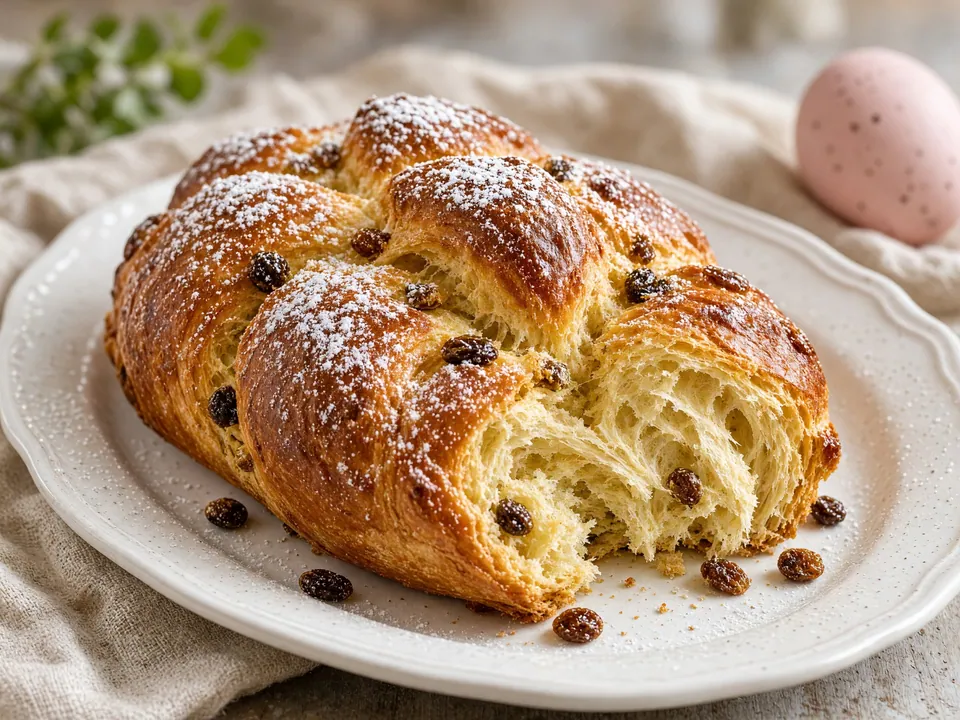
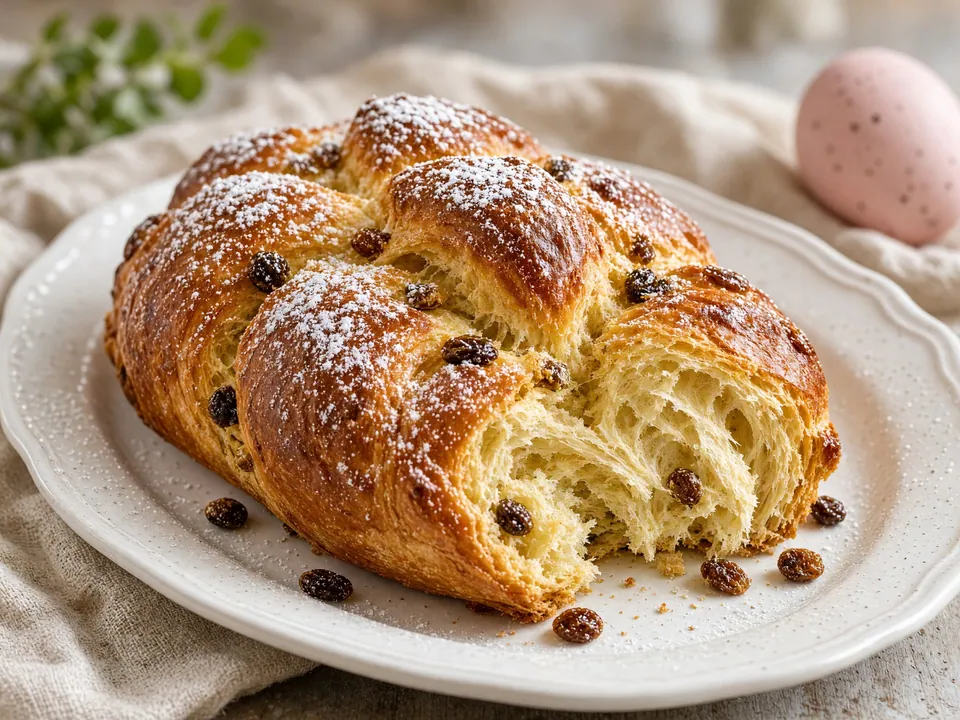
Bulgarian families mark Easter with kozunak, a rich, sweet bread braided into soft loaves. The dough combines milk, eggs, sugar, butter and yeast with a generous amount of lemon zest and sometimes vanilla or rum. A light brushing of egg wash before baking gives the crust its deep golden colour.
What makes kozunak special is its balance of tenderness and chew. The crumb stays moist for days, thanks to the high fat content and long kneading that develops strong gluten. Bakers often tuck in whole boiled eggs dyed red or scatter raisins and chopped walnuts inside the braids.
Technique Sets Kozunak Apart
Bulgarian cooks knead the dough until it forms thin, elastic strands when stretched. This windowpane test ensures the final bread pulls apart in soft, feathery layers rather than crumbling. The dough rises twice: once in bulk, then again after shaping. Many home cooks still use the traditional method of warming the bowl near the stove or wrapping it in blankets.
The braiding matters too. Three-strand braids are most common, but some regions create six-strand or even round versions with a cross on top. The finished loaf feels lighter than it looks because the dough traps plenty of air during the long proof.
Greek Tsoureki: Mahlep and Mastiha
Across the border, Greek tsoureki shares the same enriched dough but tastes quite different. Greek bakers flavour it with mahlep, the ground pit of wild cherry, and sometimes mastiha resin. This gives tsoureki a distinct almond-cherry perfume that Bulgarian kozunak never has.
Tsoureki often includes orange zest instead of lemon and may contain more butter. Greeks traditionally shape it into a round loaf with a red egg pressed into the centre. The crust is usually softer because the dough receives less vigorous kneading than in Bulgaria.
For a classic Bulgarian version see our Bulgarian Easter Sweet Bread (Kozunak).
Romanian Cozonac: Simpler, Denser
Romanian cozonac looks similar but uses less butter and fewer eggs. Romanian cooks often divide the dough, spread it with cocoa or ground walnuts and roll it like a Swiss roll before braiding. This creates a marbled interior that Bulgarian kozunak lacks.
Romanian versions tend to be denser and drier because the dough is not kneaded as thoroughly. Families serve cozonac sliced thin with morning coffee, while Bulgarians tear generous pieces straight from the loaf at Easter lunch.
Serbian and Macedonian Versions
In Serbia the Easter bread is often called pogaca or simply uskršnji kolač. It is usually round, scored on top, and flavoured only with lemon zest. Serbian dough rarely includes the large amounts of butter or the long kneading that Bulgarian kozunak demands, resulting in a plainer, more biscuit-like crumb.
Macedonian Easter bread sits between the two styles. It uses similar amounts of fat to Bulgarian kozunak but often adds orange flower water. The loaves are frequently decorated with sesame seeds or pearl sugar, touches rarely seen on Bulgarian tables.
Turkish and Russian Influences
Further south, Turkish çöreği or sweet Easter breads in Muslim communities skip the eggs entirely and use olive oil instead of butter. The flavour profile leans toward anise or cinnamon rather than citrus.
Russian kulich is taller and baked in tall tins so it resembles a cake more than a braid. The dough includes raisins soaked in rum and is finished with thick white icing. Bulgarian kozunak stays closer to bread in both texture and appearance.
Bulgarian Regional Differences
Even inside Bulgaria, kozunak changes by region. In the Rhodope Mountains cooks add more sugar and tuck in pieces of Turkish delight. Around Plovdiv the bread might contain poppy-seed filling. Shopska-region families keep the recipe plain so the bread can accompany salty Shopska Salad and roasted lamb.
In the northwest near the Serbian border the dough receives less fat and more yeast, producing a lighter but shorter-lived loaf. These local habits show how kozunak adapts while keeping its core identity of long kneading and citrus scent.
Serving and Storing Kozunak
Bulgarians serve kozunak at room temperature alongside hard-boiled red eggs and Kurban Chorba, the traditional lamb soup. Leftover slices make excellent French toast or can be dried and used in bread pudding.
To keep it fresh, wrap the cooled loaf tightly in cloth then plastic. It stays soft for up to five days. For an easy Bulgarian breakfast using similar dough techniques, try our Bulgarian Fried Yogurt Dough (Mekitsi).
Many families still bake extra loaves to give to neighbours, continuing an old custom of sharing the Easter blessing. The distinctive stretchy crumb and bright citrus aroma remain the true markers that separate Bulgarian kozunak from its cousins.
Once you master the kneading and proofing, the bread becomes straightforward. The long process rewards patience with a loaf that tastes unmistakably Bulgarian yet welcomes comparison with every neighbouring table.
For more Bulgarian classics to serve alongside, see our recipe for Bulgarian Cheese Filo Pie (Banitsa) or the simple Bulgarian Cornmeal Porridge (Kachamak). Each dish reflects the same respect for careful technique that defines a proper kozunak.